Outdoor Restaurant Patio Furniture
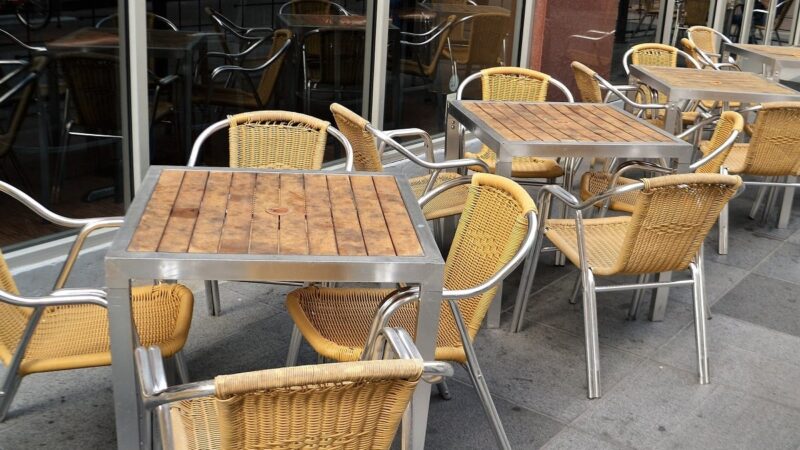
Outdoor restaurant patio furniture plays a crucial role in creating a welcoming and profitable outdoor dining experience. The right furniture not only enhances the aesthetic appeal of your establishment but also directly impacts customer comfort and satisfaction. This guide explores various aspects of selecting, arranging, and maintaining outdoor patio furniture, ensuring your restaurant offers a memorable and enjoyable experience for every guest.
From choosing the appropriate materials and styles to considering factors like climate, restaurant design, and budget, we delve into the key decisions involved in furnishing your outdoor space. We’ll examine different seating options, layout considerations, and maintenance strategies, providing practical advice and insights to help you create a thriving and attractive patio area.
Types of Outdoor Restaurant Patio Furniture
Choosing the right patio furniture is crucial for creating a welcoming and functional outdoor dining space. The selection process involves considering various factors, including material durability, style consistency with the restaurant’s theme, seating arrangements optimized for customer flow and comfort, and of course, budget. This section details the different types of outdoor restaurant patio furniture available, highlighting their respective strengths and weaknesses.
Material Considerations for Outdoor Patio Furniture
The material of your patio furniture significantly impacts its durability, maintenance requirements, and overall aesthetic. Different materials offer unique advantages and disadvantages.
- Wicker: Offers a classic, elegant look. However, it requires more maintenance and may not be as weather-resistant as other materials unless specifically treated. It’s typically more expensive than aluminum or steel.
- Aluminum: Lightweight, rust-resistant, and relatively inexpensive. It’s easy to maintain but can be less durable than other materials and may dent easily.
- Wood: Provides a warm, natural aesthetic. However, wood requires regular maintenance, including sealing and staining, to protect it from the elements. Certain types of wood are more weather-resistant than others (e.g., teak).
- Steel: Durable and strong, but susceptible to rust unless powder-coated or galvanized. It can be heavy and requires more maintenance than aluminum.
Patio Furniture Styles
The style of your patio furniture should complement your restaurant’s overall design and ambiance.
- Modern: Clean lines, minimalist designs, often using materials like aluminum or steel. Think sleek, simple chairs and tables.
- Traditional: Classic designs, often incorporating wood or wrought iron. Features ornate details and comfortable seating.
- Rustic: Natural materials like wood and stone, often with a weathered or distressed look. Creates a cozy, inviting atmosphere.
Seating Options for Outdoor Restaurants
Different seating options cater to varying restaurant needs and customer preferences.
- Chairs: Versatile and space-saving, suitable for most restaurant settings. Consider stacking chairs for easy storage.
- Benches: Offer a casual, communal seating option, ideal for larger groups or creating a relaxed atmosphere.
- Sofas: Provide luxurious seating, perfect for creating intimate conversational areas or VIP sections.
- Bistro Sets: Compact tables and chairs, ideal for smaller spaces or creating a romantic setting.
Patio Furniture Comparison Table
| Material | Style | Seating Type | Description |
|---|---|---|---|
| Aluminum | Modern | Chairs | Lightweight, rust-resistant, easy to maintain, suitable for various settings. |
| Wood (Teak) | Traditional | Benches | Durable, weather-resistant, requires minimal maintenance and creates a warm ambiance. |
| Wicker | Rustic | Sofas | Elegant, requires regular maintenance, suitable for covered patios. |
| Steel (Powder-coated) | Modern | Bistro Sets | Durable, rust-resistant, requires minimal maintenance, ideal for smaller spaces. |
Factors Affecting Furniture Selection for Outdoor Restaurants
Several key factors influence the selection of outdoor patio furniture for restaurants. Careful consideration of these elements ensures the furniture is both aesthetically pleasing and practically suitable for the restaurant’s specific needs and environment.
Climate’s Impact on Furniture Choice
Climate significantly affects furniture longevity and requires careful material selection. Extreme temperatures, humidity, and UV radiation can damage untreated materials. Weather-resistant materials like powder-coated steel, treated wood, and all-weather wicker are preferable in harsh climates. UV protection is crucial to prevent fading and degradation. Consider investing in protective covers during inclement weather.
Durability and Maintenance
Durability is paramount for outdoor restaurant furniture, which endures daily wear and tear. Choosing durable materials and regular maintenance are essential. Wood requires regular sealing and staining, while aluminum and steel may need occasional cleaning and rust prevention. Wicker often necessitates more frequent cleaning and protection from moisture.
Restaurant Design and Ambiance
The restaurant’s design and ambiance should guide furniture selection. A modern restaurant might opt for sleek aluminum furniture, while a rustic establishment might choose wooden pieces. The furniture should complement the restaurant’s overall aesthetic, creating a cohesive and inviting atmosphere.
Seating Capacity and Customer Flow
Source: stylemotivation.com
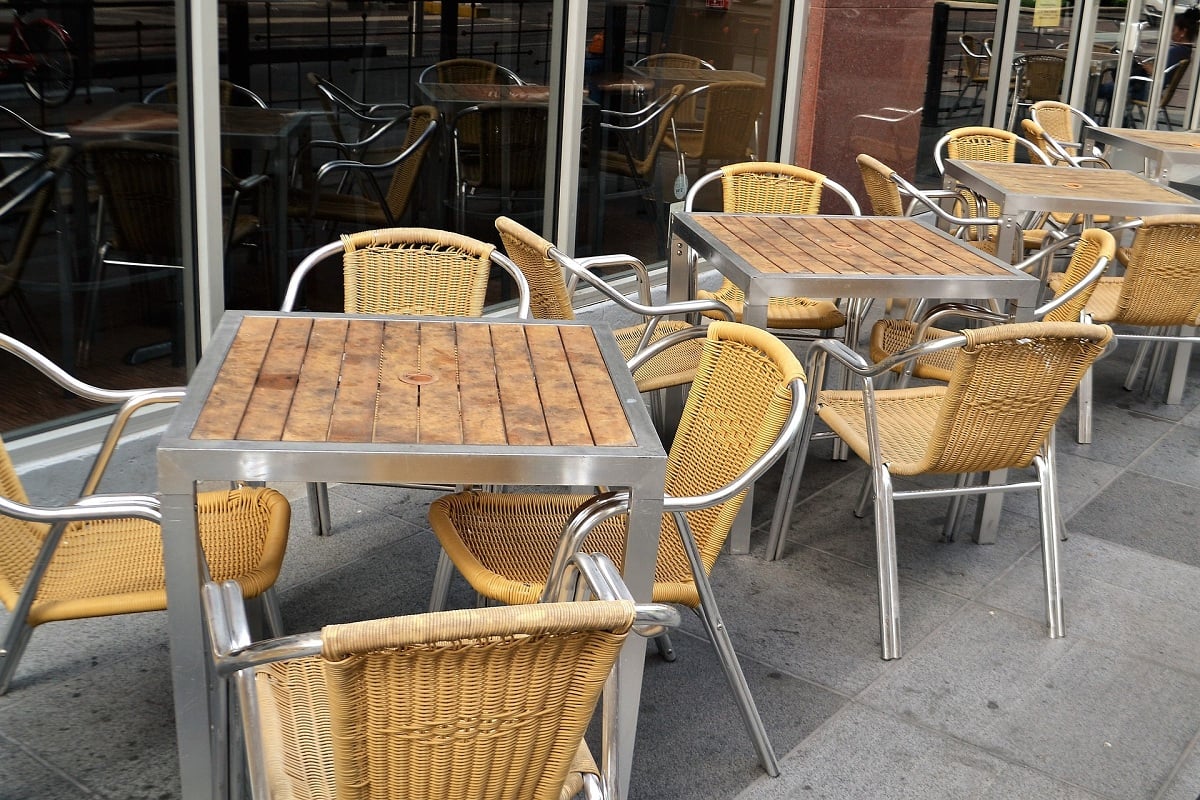
Careful planning of seating capacity and customer flow is vital. The number of seats should align with the restaurant’s capacity, while furniture arrangement should facilitate smooth customer movement and staff efficiency. Consider aisle width, table spacing, and accessibility for wheelchairs.
Design and Layout Considerations: Outdoor Restaurant Patio Furniture
Effective patio furniture arrangement maximizes space, enhances customer comfort, and streamlines staff service. Different restaurant sizes and styles require varied approaches.
Patio Furniture Arrangement for a Small, Intimate Restaurant
For a small, intimate restaurant, a cozy and inviting arrangement is crucial. Consider using smaller bistro sets or individual chairs and tables, strategically placed to allow for comfortable spacing between diners. Maintain ample walkways to ensure ease of movement for both customers and staff. Incorporating soft lighting and plants can further enhance the intimate ambiance.
Patio Furniture Arrangement for a Large, Bustling Restaurant
In a large, bustling restaurant, efficient space utilization and clear sectioning are key. Utilize larger tables to accommodate more diners, and strategically place them to allow for smooth customer flow. Consider using different furniture styles to create distinct zones within the patio. Ensure accessibility for wheelchairs and other mobility devices by providing ample space between tables and furniture.
Visual Description of a Customer-Centric Patio Layout
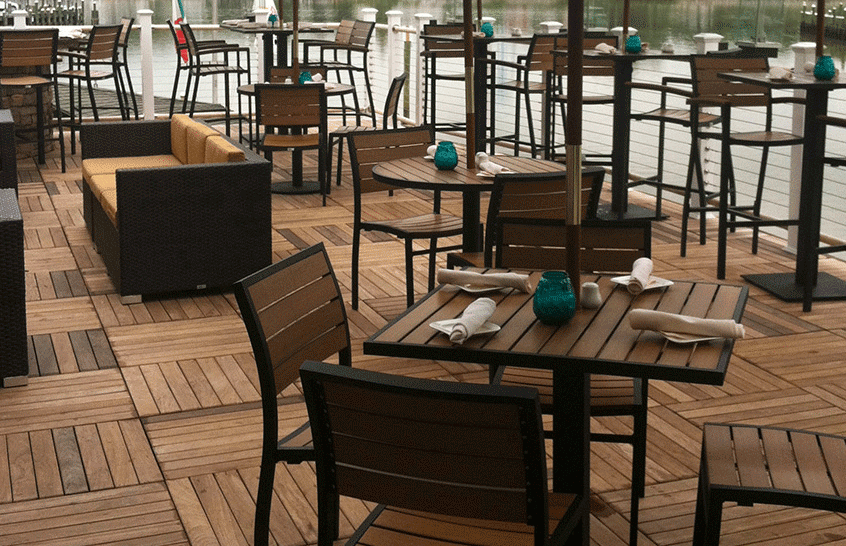
Imagine a patio with distinct zones: a main dining area with comfortable chairs and tables, a more casual lounge area with sofas and armchairs, and a bar area with high-top tables and stools. The layout is designed to maximize natural light and airflow, with strategically placed plants adding a touch of greenery. Walkways are wide and clear, ensuring ease of movement. The overall design prioritizes customer comfort and staff efficiency, creating a seamless and enjoyable dining experience.
Incorporating Different Furniture Pieces to Create Visually Appealing Zones
Source: pinimg.com
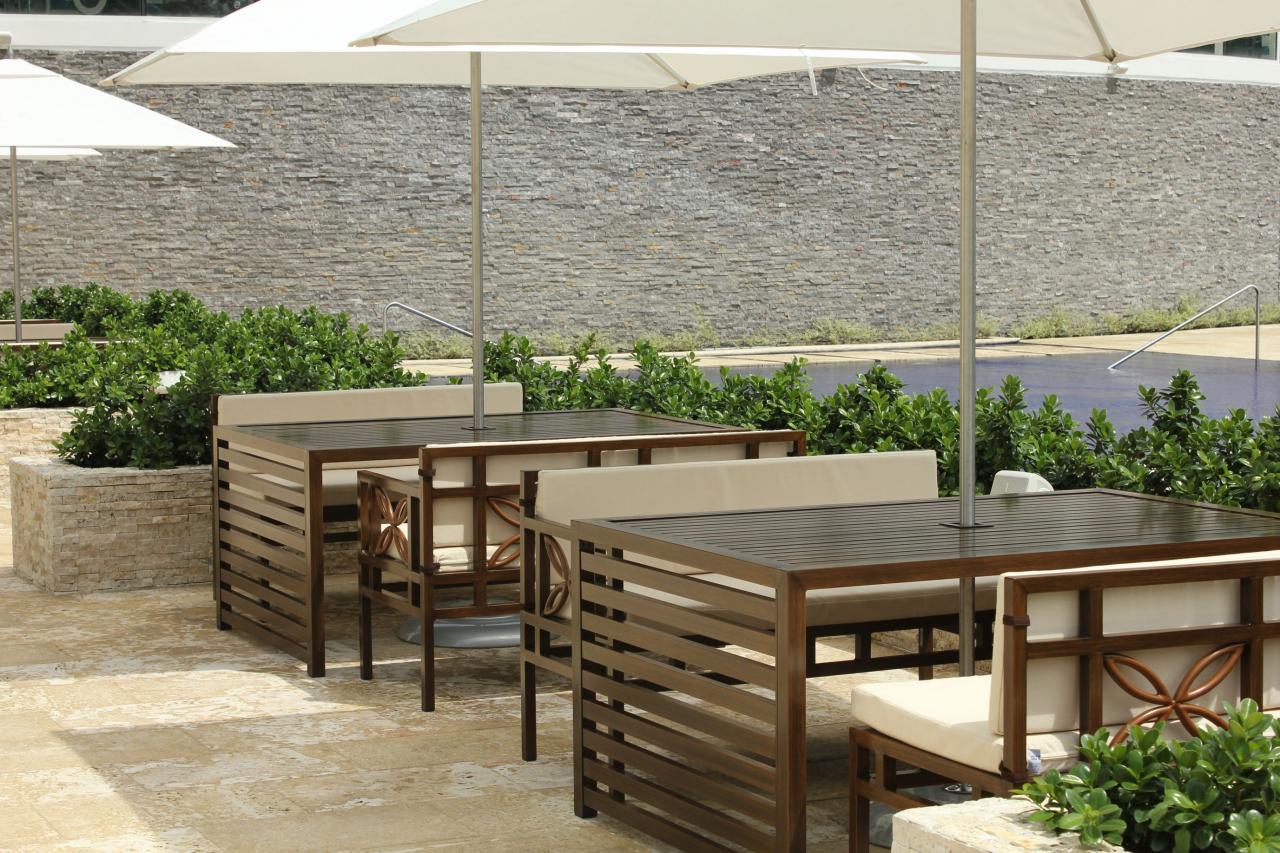
Using a variety of furniture pieces can create distinct zones within a patio space. For instance, a large, communal table can be used as a focal point, while smaller bistro sets can be placed around the perimeter for more intimate dining. Sofas and armchairs can create a relaxed lounge area, while high-top tables and stools can be used in a bar area. Mixing and matching different styles and materials can add visual interest and create a more dynamic space.
Maintenance and Care of Outdoor Patio Furniture
Source: thearchitecturedesigns.com
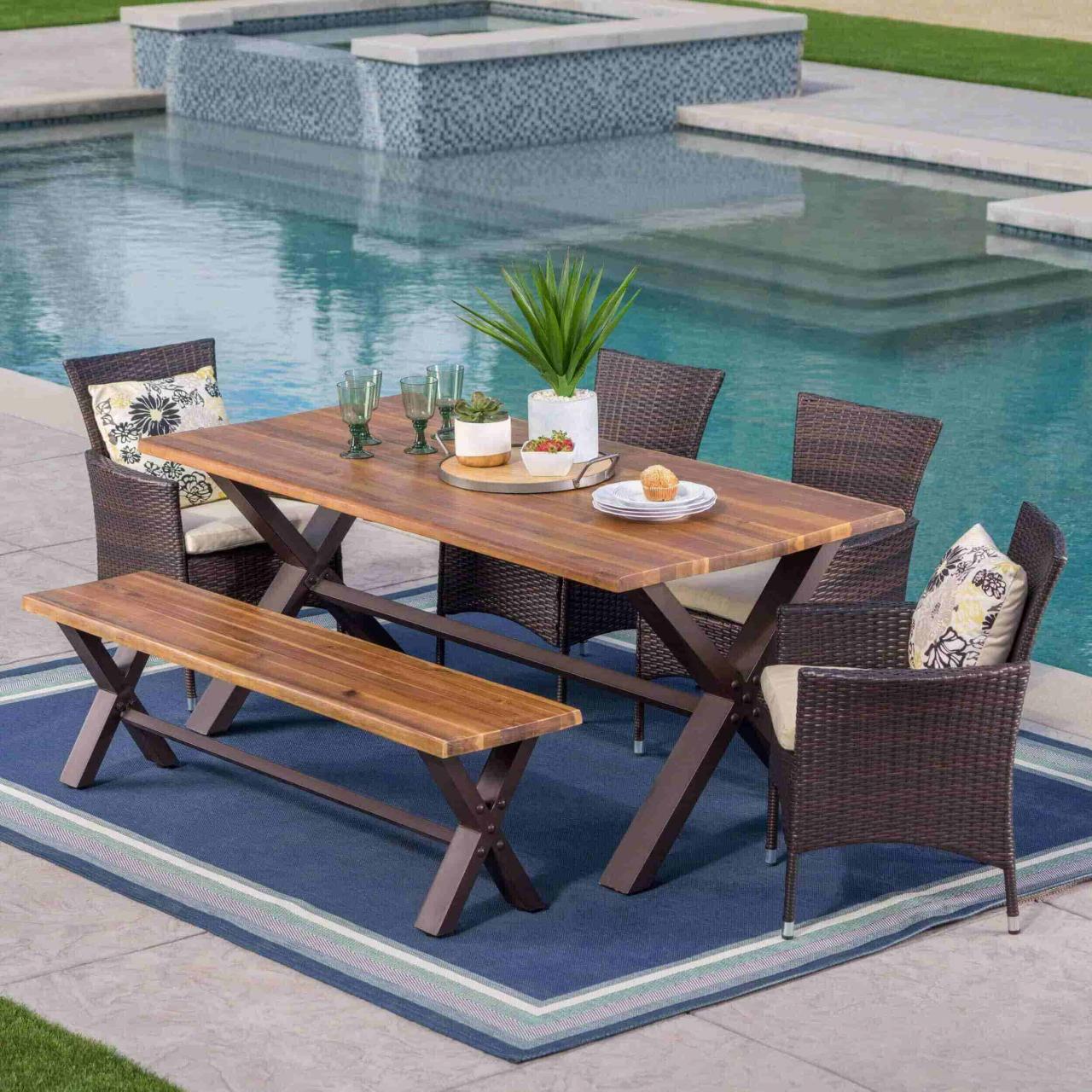
Regular maintenance extends the lifespan of outdoor patio furniture and preserves its aesthetic appeal. A consistent cleaning and maintenance schedule is essential, tailored to the specific material.
Cleaning and Maintenance Schedule
- Wood: Regularly clean with a mild soap solution and water. Apply sealant or stain annually to protect against the elements.
- Metal: Clean with a mild soap solution and water. Inspect regularly for rust and apply touch-up paint as needed.
- Wicker: Regularly brush or vacuum to remove dirt and debris. Clean with a mild soap solution and water, and protect from moisture.
Protecting Furniture from Weather Damage
Source: itdaymississippi.org
Protective covers are essential during inclement weather. Investing in high-quality covers tailored to your furniture’s dimensions ensures optimal protection against rain, snow, and UV radiation. Proper storage during extreme weather conditions is also recommended, particularly for more delicate materials like wicker.
Common Repair Methods, Outdoor restaurant patio furniture
Minor repairs can often be addressed with readily available materials and tools. Loose screws can be tightened, minor dents in aluminum can be carefully tapped out, and small cracks in wood can be filled with wood filler. More significant damage may require professional repair or replacement.
Preventative Maintenance Steps
- Regular cleaning
- Annual inspection for damage
- Prompt repair of minor damage
- Application of protective coatings (sealants, stains)
- Use of protective covers during inclement weather
- Proper storage during extreme weather conditions
Cost and Budget Considerations
Furnishing a restaurant patio involves significant costs, necessitating careful budget planning. Balancing cost and quality requires a strategic approach.
Price Ranges of Patio Furniture
Price ranges vary widely depending on material, style, and quality. Aluminum furniture is generally the most affordable, followed by steel. Wood and wicker furniture tend to be more expensive, with higher-end materials like teak commanding premium prices. Custom-designed furniture further increases costs.
Factors Influencing Overall Cost
The quantity of furniture needed significantly impacts the overall cost. Higher-quality materials and custom designs increase expenses. Labor costs for installation and any necessary modifications also contribute to the total cost. Bulk purchasing can often result in discounts.
Balancing Cost and Quality
Balancing cost and quality involves careful consideration of material durability, maintenance requirements, and aesthetic appeal. Prioritizing durable materials that require minimal maintenance can be cost-effective in the long run. Opting for a mix of higher-quality and more affordable pieces can help manage costs without compromising the overall aesthetic.
Cost-Effective Solutions
Cost-effective solutions include opting for durable yet affordable materials like powder-coated steel or treated wood. Purchasing furniture in bulk can often lead to significant savings. Consider renting furniture for temporary events or seasons to reduce upfront investment. Creative repurposing of existing items can also offer cost-effective alternatives.
Questions Often Asked
What are the best cleaning products for different patio furniture materials?
The best cleaning products vary depending on the material. For wood, use mild soap and water; for aluminum, a non-abrasive cleaner; for wicker, a brush, and mild soap; and for steel, a specialized metal cleaner. Always test a small, inconspicuous area first.
How often should I replace my outdoor restaurant patio furniture?
The lifespan of outdoor furniture depends on the material, quality, and maintenance. With proper care, high-quality furniture can last for many years. However, regular inspection and timely repairs are crucial. Consider replacing pieces as needed rather than aiming for a complete replacement on a set schedule.
How can I protect my furniture from vandalism?
Consider using sturdy, durable materials resistant to damage. Strategic placement of furniture can also deter vandalism. Good lighting and security cameras can act as a significant deterrent. Regular inspections and quick repairs can minimize the impact of minor damage.
Where can I find reputable suppliers of outdoor restaurant patio furniture?
Research reputable suppliers online and locally. Read reviews and compare prices before making a purchase. Consider contacting several suppliers to compare quotes and options. Visiting showrooms to inspect furniture quality in person is also recommended.
Comments are closed.