Power Wash Patio Pavers
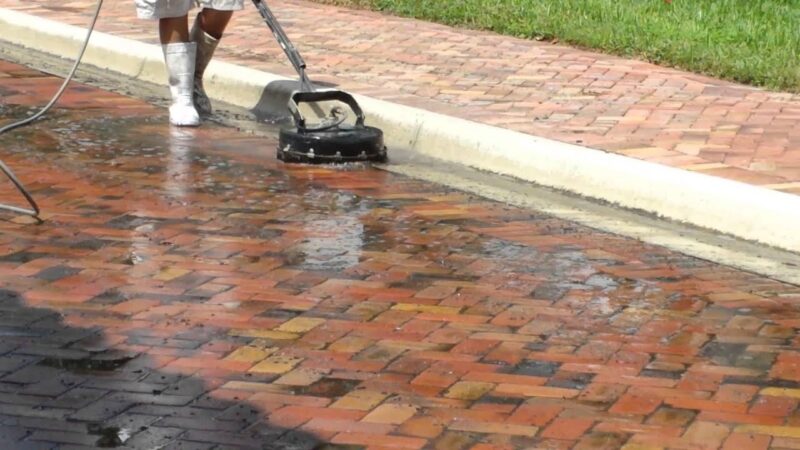
Power wash patio pavers: Transforming your outdoor space from drab to fab is easier than you think! This comprehensive guide will walk you through every step of the process, from understanding your paver material and choosing the right equipment to mastering cleaning techniques and ensuring long-lasting results. We’ll cover everything you need to know to achieve a sparkling clean patio that will enhance the beauty and value of your home.
Whether you’re dealing with stubborn stains or persistent mildew, or simply want to refresh the appearance of your patio, this guide provides practical advice and expert tips to help you tackle the job confidently and effectively. Learn about different power washing techniques, cleaning solutions, and post-cleaning maintenance to keep your patio looking its best for years to come.
Understanding Patio Paver Materials
Selecting the right cleaning approach for your patio pavers hinges on understanding their material composition. Different pavers react differently to power washing, and improper techniques can lead to damage. This section details common paver types, their properties, and pre-cleaning best practices.
Common Patio Paver Types and Their Properties
Patio pavers are commonly made from concrete, brick, natural stone (like flagstone, slate, or granite), and permeable pavers. Concrete pavers are durable and relatively inexpensive, but they can be porous and susceptible to staining. Brick pavers offer a classic look and good durability, but they can be more fragile than concrete. Natural stone pavers provide a luxurious appearance and are highly durable, but they can be expensive and require more careful cleaning. Permeable pavers are designed to allow water to drain through, reducing runoff and erosion. Their porous nature, however, requires gentler cleaning methods.
Potential Damage During Power Washing
High-pressure power washing can damage pavers if not done correctly. Concrete pavers can be pitted or eroded by excessive pressure. Brick pavers can chip or crack, especially older or damaged ones. Natural stone pavers can be scratched or their surface texture altered. Permeable pavers, due to their porous nature, are particularly vulnerable to damage from high pressure; the force can dislodge the pavers or damage their underlying structure. Improper nozzle selection can also contribute to damage. For instance, using a narrow nozzle too close to the surface can cause localized high pressure, leading to pitting or chipping.
Pre-Cleaning Best Practices
Before power washing, pre-cleaning is crucial to remove loose debris and prevent it from being forced into the paver pores during the power washing process. Sweep or blow away loose dirt, leaves, and other debris. For stubborn stains, consider pre-treating with a suitable cleaning solution, allowing it to dwell before power washing. For natural stone pavers, gentle scrubbing with a soft-bristled brush might be preferred before power washing to avoid scratches.
Power Washing Equipment and Techniques: Power Wash Patio Pavers
Choosing the right power washer and employing the correct techniques are paramount for effective and safe patio paver cleaning. This section covers power washer types, a step-by-step cleaning guide, and nozzle selection.
Power Washer Types and Selection
Power washers are rated by pressure (measured in pounds per square inch or PSI) and flow rate (measured in gallons per minute or GPM). Higher PSI offers more cleaning power, but excessive pressure can damage pavers. Flow rate determines how much water is used per minute; a higher flow rate generally allows for faster cleaning but may require more water. Electric power washers are suitable for smaller patios, while gas-powered models are better for larger areas. Consider the size of your patio and the type of pavers when choosing a power washer.
Step-by-Step Power Washing Guide
Always prioritize safety. Wear safety glasses, gloves, and closed-toe shoes. Test the power washer in an inconspicuous area first to check its effect on the pavers. Maintain a safe distance from the pavers, typically 12-18 inches. Work in sections, overlapping each pass to ensure even cleaning. Rinse thoroughly after each section. Avoid prolonged exposure of the pavers to the high-pressure stream.
Nozzle Selection and Usage
Different nozzles are designed for different cleaning tasks. Choosing the right nozzle is crucial for effective and safe cleaning. The table below guides nozzle selection based on paver type and cleaning challenge.
| Nozzle Type | PSI Range | Suitable Paver Type | Cleaning Application |
|---|---|---|---|
| Fan Nozzle (15-40 degrees) | 1500-2500 PSI | Concrete, Brick, Permeable | General cleaning, removing dirt and grime |
| Pencil Jet Nozzle (0-15 degrees) | 2000-3000 PSI (Use cautiously) | Concrete (with extreme caution) | Removing stubborn stains, concentrated cleaning (use sparingly) |
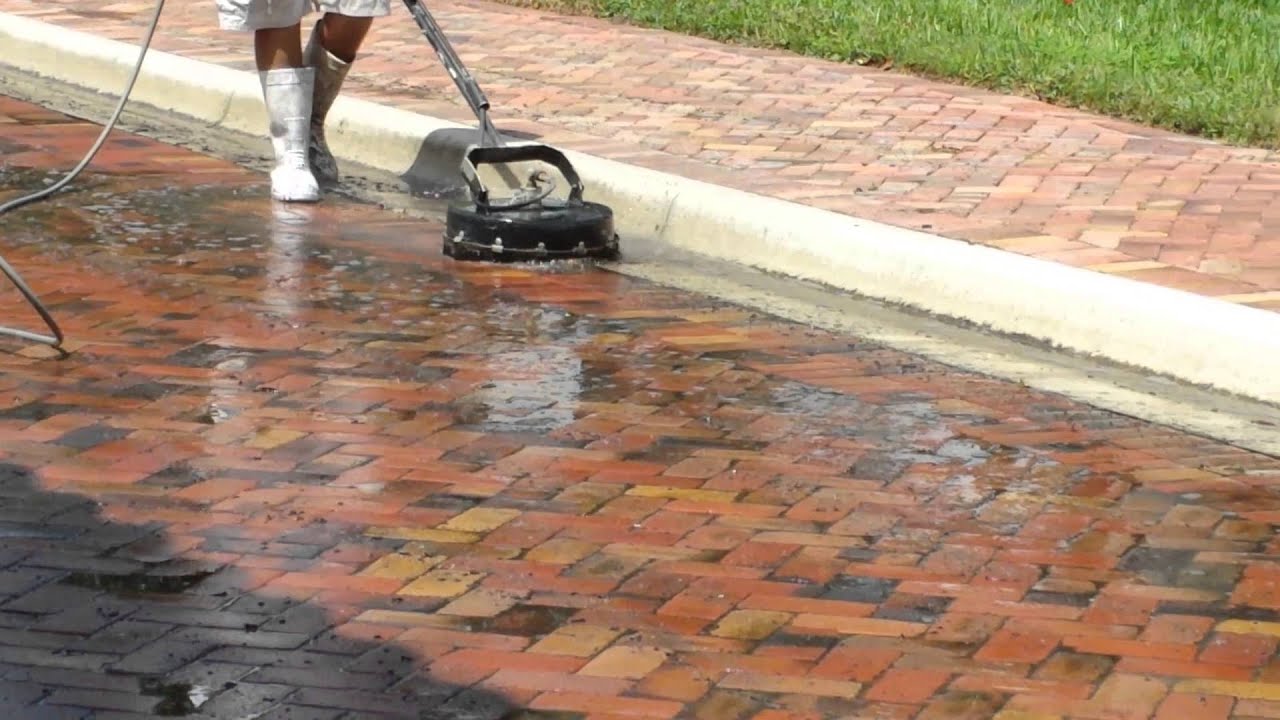
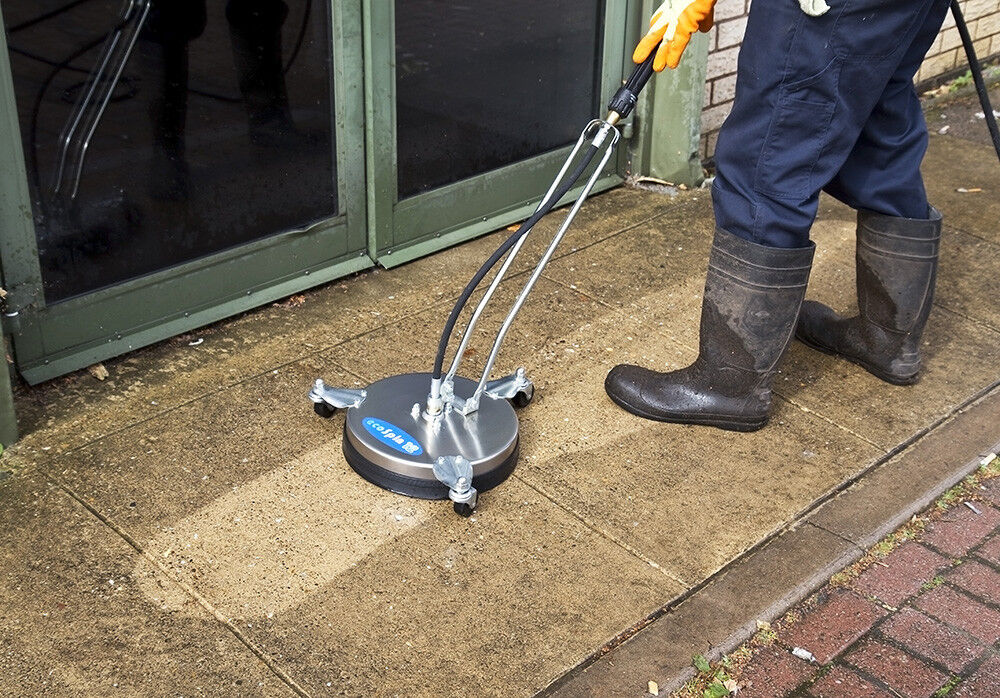
| Surface Cleaner | 1500-2500 PSI | All paver types | Efficient cleaning of large, flat areas |
Cleaning Solutions and Methods
Source: ytimg.com
Cleaning solutions enhance the effectiveness of power washing, especially for stubborn stains. This section discusses effective cleaning solutions, application methods, and safe handling.
Effective Cleaning Solutions
For mildew and algae, a bleach solution (diluted according to the manufacturer’s instructions) is effective. For oil stains, a degreaser may be necessary. For general cleaning, a mild detergent solution is often sufficient. Always test any cleaning solution in an inconspicuous area first to ensure it doesn’t damage the pavers.
Preparation and Application Methods, Power wash patio pavers
Prepare cleaning solutions according to manufacturer instructions. Apply the solution evenly to the pavers using a garden sprayer or brush. Allow the solution to dwell for the recommended time before power washing. For stubborn stains, you may need to scrub with a brush before power washing.
Safe Handling and Disposal
Always wear appropriate safety gear when handling cleaning solutions, including gloves and eye protection. Follow manufacturer instructions for dilution and application. Dispose of cleaning solutions properly according to local regulations. Never mix bleach with other cleaning agents.
Post-Cleaning Care and Maintenance
Proper post-cleaning care and regular maintenance are essential for preserving the beauty and longevity of your patio pavers. This section details crucial steps to maintain their pristine condition.
Importance of Thorough Rinsing
Source: ebayimg.com
Thorough rinsing is crucial to remove all traces of cleaning solutions and prevent residue buildup. Use the power washer to rinse thoroughly, ensuring all cleaning solution is removed. This prevents staining and damage to the pavers over time.
Sealing Patio Pavers
Sealing pavers protects them from future staining and damage. Apply a suitable sealer according to the manufacturer’s instructions. Sealing enhances their durability and makes future cleaning easier.
Maintenance Schedule
- Sweep or blow away debris regularly.
- Spot clean spills immediately.
- Power wash annually or as needed.
- Reseal pavers every 2-3 years, or as recommended by the sealer manufacturer.
Troubleshooting Common Issues
Even with careful planning, problems can arise during power washing. This section addresses common issues and provides solutions.
Common Problems and Solutions
Source: ytimg.com
| Problem | Cause | Solution |
|---|---|---|
| Damaged Pavers | Excessive pressure, improper nozzle use, pre-existing damage | Reduce pressure, use a wider nozzle, repair or replace damaged pavers |
| Uneven Cleaning | Insufficient cleaning solution, inconsistent power washing technique | Reapply cleaning solution, re-power wash the affected areas |
| Staining | Cleaning solution residue, not rinsing thoroughly | Rinse thoroughly, and use a different cleaning solution |
Visual Examples of Power-Washed Pavers
The visual impact of properly power-washed pavers is significant. This section provides detailed descriptions of how clean and well-maintained pavers appear, contrasted with poorly maintained ones.
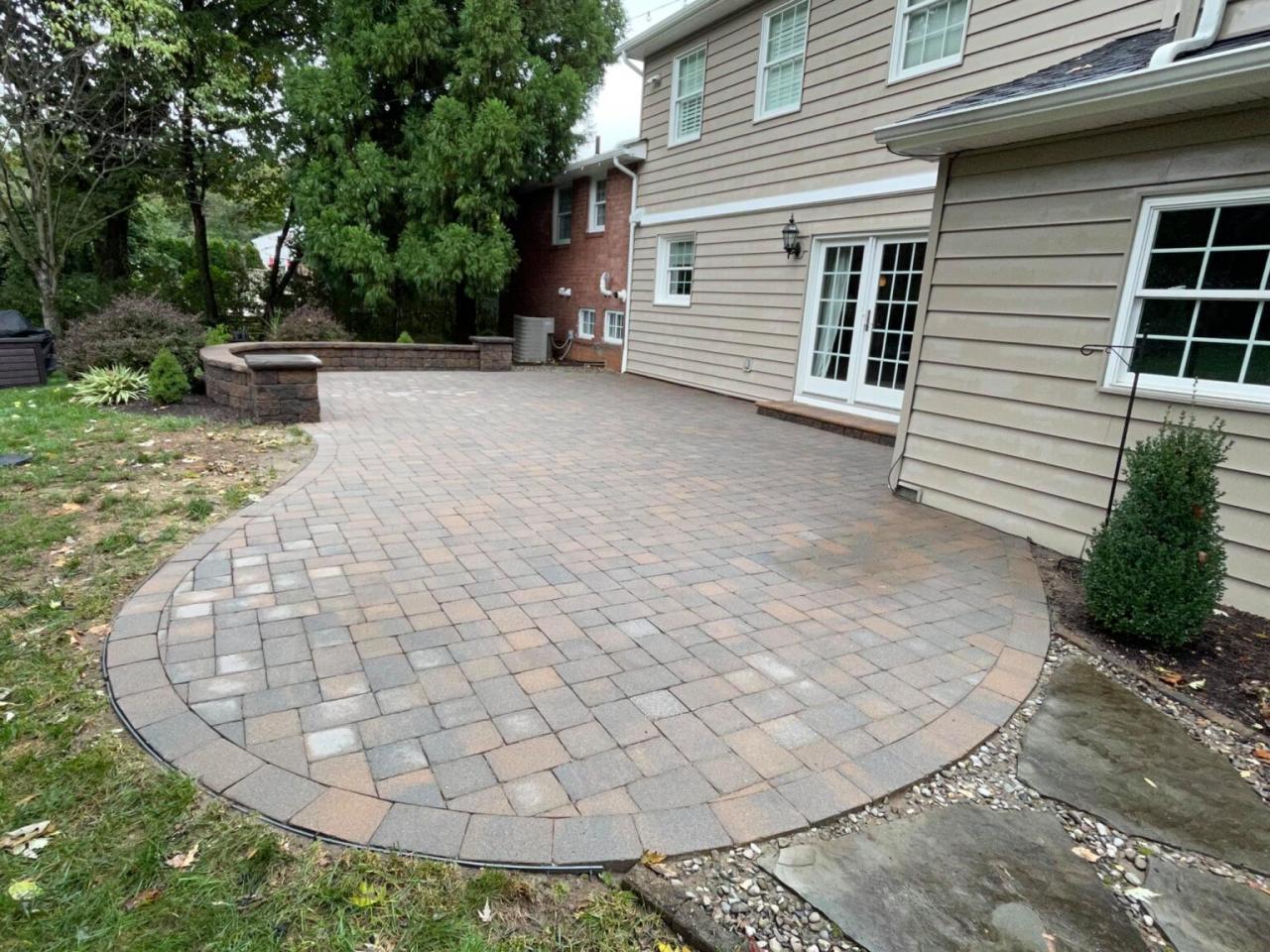
Clean, Well-Maintained Pavers
Source: blueflamingosoftwash.com
Clean concrete pavers exhibit a uniform color, free from stains or discoloration. Their texture is smooth and even. Clean brick pavers retain their vibrant color and defined edges. Clean natural stone pavers display their natural beauty, with their unique colors and textures enhanced. The overall impression is one of neatness and order.
Poorly Maintained or Damaged Pavers
Poorly maintained pavers may show discoloration from mildew, algae, or other stains. Cracks, chips, and pitting may be visible. The overall appearance is dull and unkempt. Damaged pavers might have loose or missing pieces, indicating structural damage.
FAQ Summary
Can I power wash all types of patio pavers?
While many pavers can be power washed, some delicate materials like certain types of natural stone may be susceptible to damage. Always test a small, inconspicuous area first to check for any adverse reactions.
How often should I power wash my patio pavers?
The frequency depends on factors like climate, foot traffic, and the type of pavers. Generally, once or twice a year is sufficient for most patios.
What should I do if I damage a paver during power washing?
If a paver is damaged, carefully remove it and replace it with a matching paver. You may need to contact a professional for assistance with this step, especially if dealing with complex paver layouts.
Are there environmentally friendly cleaning solutions for power washing?
Yes, many eco-friendly cleaning solutions are available that are effective yet gentler on the environment. Look for products that are biodegradable and phosphate-free.
Comments are closed.