Pressure Washing Patio Pavers
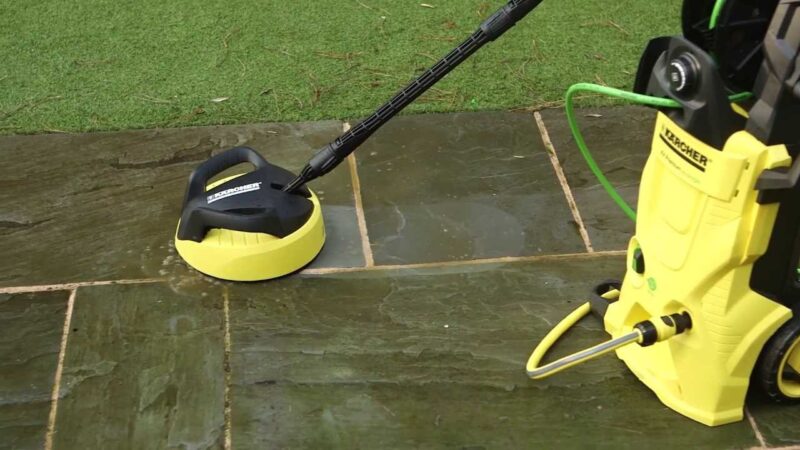
Pressure-washing patio pavers can dramatically revitalize your outdoor space, transforming dull, stained surfaces into vibrant, inviting areas. However, this cleaning method requires careful consideration of paver material, equipment selection, and technique to avoid damage. Understanding the nuances of pressure washing ensures a successful outcome, leaving your patio looking its best without compromising its longevity. This guide provides a comprehensive overview of the process, from preparation to post-cleaning care, equipping you with the knowledge to achieve professional results.
From choosing the right pressure washer and nozzle to mastering the cleaning technique and addressing stubborn stains, we’ll explore every aspect of effectively cleaning your patio pavers. We’ll also delve into the importance of pre-cleaning preparation and post-cleaning care to ensure your pavers remain beautiful and protected for years to come. Safety precautions and common mistakes to avoid are also highlighted, guaranteeing a safe and successful cleaning experience.
Understanding Patio Paver Materials
Selecting the right pressure washing approach depends heavily on the type of pavers used. Different materials react differently to high-pressure water, and understanding these nuances is crucial to avoid damage. This section details the characteristics of various paver materials and their cleaning considerations.
Patio Paver Types and Pressure Washing Suitability
Common patio paver materials include concrete, brick, natural stone (like flagstone, slate, and granite), and permeable pavers. Concrete pavers are generally durable and withstand pressure washing well. Brick pavers, while also robust, can be more susceptible to damage if the mortar is weak or the bricks are aged. Natural stone pavers, being porous and often softer than concrete or brick, require a gentler approach. Permeable pavers, designed for water absorption, need extra care to avoid damage to their structure.
Potential Damage During Pressure Washing
Improper pressure washing can cause several types of damage. High pressure can dislodge loose pavers, erode mortar, chip or crack natural stone, and even damage the surface of concrete pavers if the pressure is too high or the nozzle is too close. The risk of damage increases with porous materials, as the water can penetrate and potentially cause internal damage or staining.
Cleaning Challenges Posed by Different Paver Materials, Pressure washing patio pavers
Porous materials like natural stone present a greater cleaning challenge. Stains and dirt can penetrate deeply, requiring more thorough cleaning and potentially the use of specialized cleaning agents. Non-porous materials like sealed concrete are easier to clean, as dirt and grime typically remain on the surface. However, even with non-porous materials, incorrect pressure-washing techniques can still cause damage.
Pressure Washing Equipment and Techniques
Choosing the right pressure washer and employing the correct techniques are vital for effective and safe paver cleaning. This section guides you through selecting appropriate equipment and applying safe cleaning practices.
Pressure Washer Type Comparison
Electric pressure washers are suitable for smaller patios and offer ease of use and portability. Gas pressure washers provide more power and are better suited for larger areas or heavily soiled pavers. Consider the size of your patio and the level of soiling when making your choice. For extremely stubborn stains, a combination of pressure washing and chemical cleaning might be necessary.
Nozzle and Pressure Setting Selection
Using the wrong nozzle or pressure setting can damage your pavers. A wider nozzle with a lower pressure setting is generally recommended for delicate materials like natural stone. A narrower nozzle with higher pressure might be suitable for tougher concrete pavers, but always maintain a safe distance and avoid direct, prolonged contact.
Safe Pressure Washing Techniques
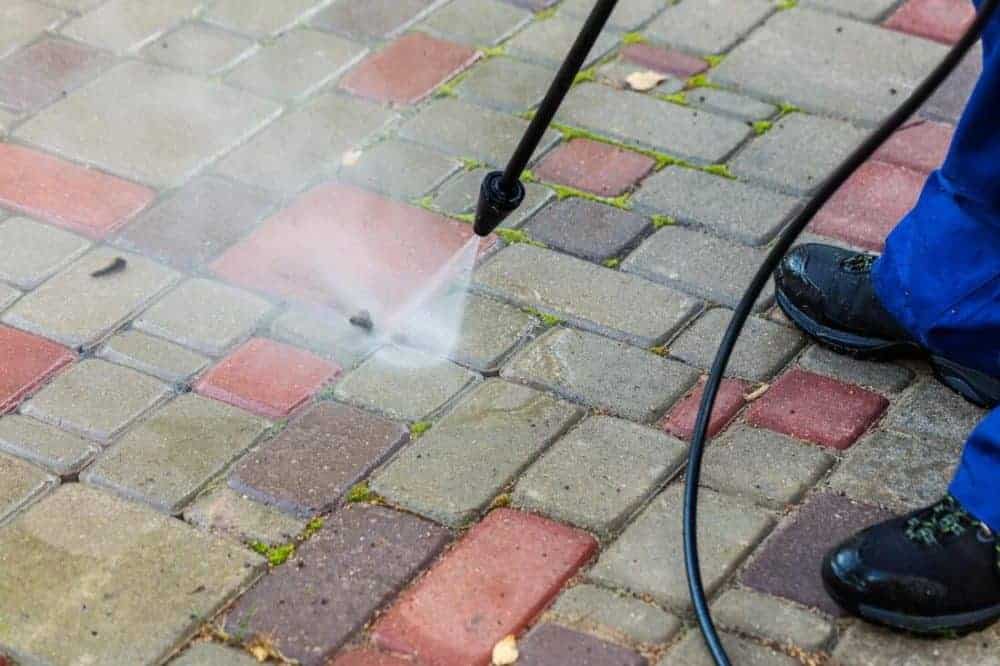
Maintain a consistent distance from the pavers (typically 12-18 inches), avoid dwelling in one spot for too long, and use overlapping strokes to ensure even cleaning. Start with a lower pressure setting and gradually increase if needed. Always test a small, inconspicuous area first to check for any adverse reactions.
| Nozzle Type | Pressure Setting (PSI) | Suitable Paver Material | Notes |
|---|---|---|---|
| Fan/25° | 1500-2000 | Concrete, Brick | Good for general cleaning |
| Fan/40° | 1000-1500 | Natural Stone, Permeable Pavers | Gentle cleaning, wider coverage |
| Pencil Jet | (Avoid for pavers) | N/A | Too concentrated, high risk of damage |
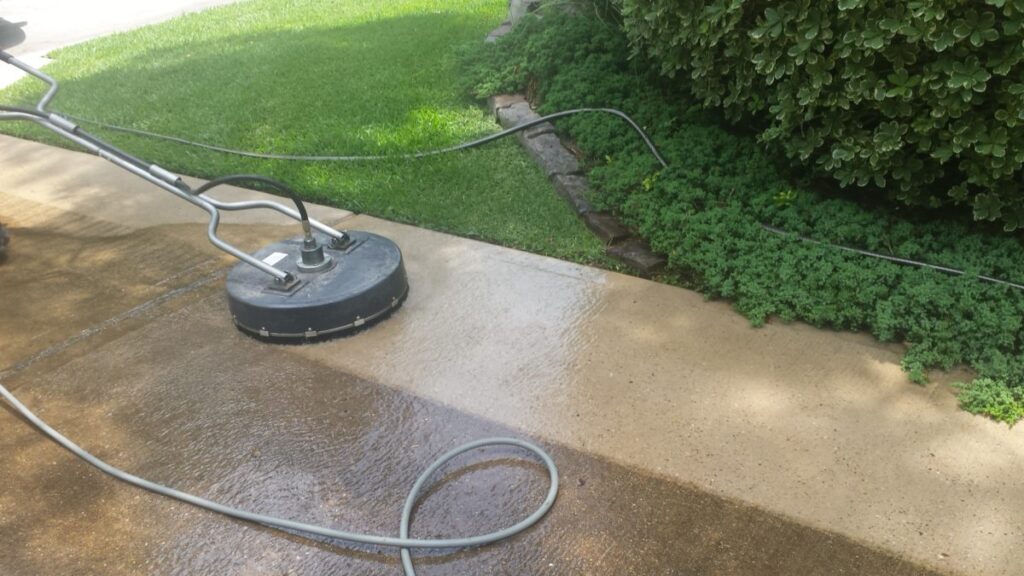
| Rotary | (Use with caution) | Concrete (very stubborn stains) | Powerful, but can easily damage pavers |
Pre-Cleaning Preparation
Thorough preparation before pressure washing is crucial for achieving optimal results and preventing damage. This section illustrates the necessary steps to ensure your patio is ready for cleaning.
Patio Preparation Steps
Source: ytimg.com
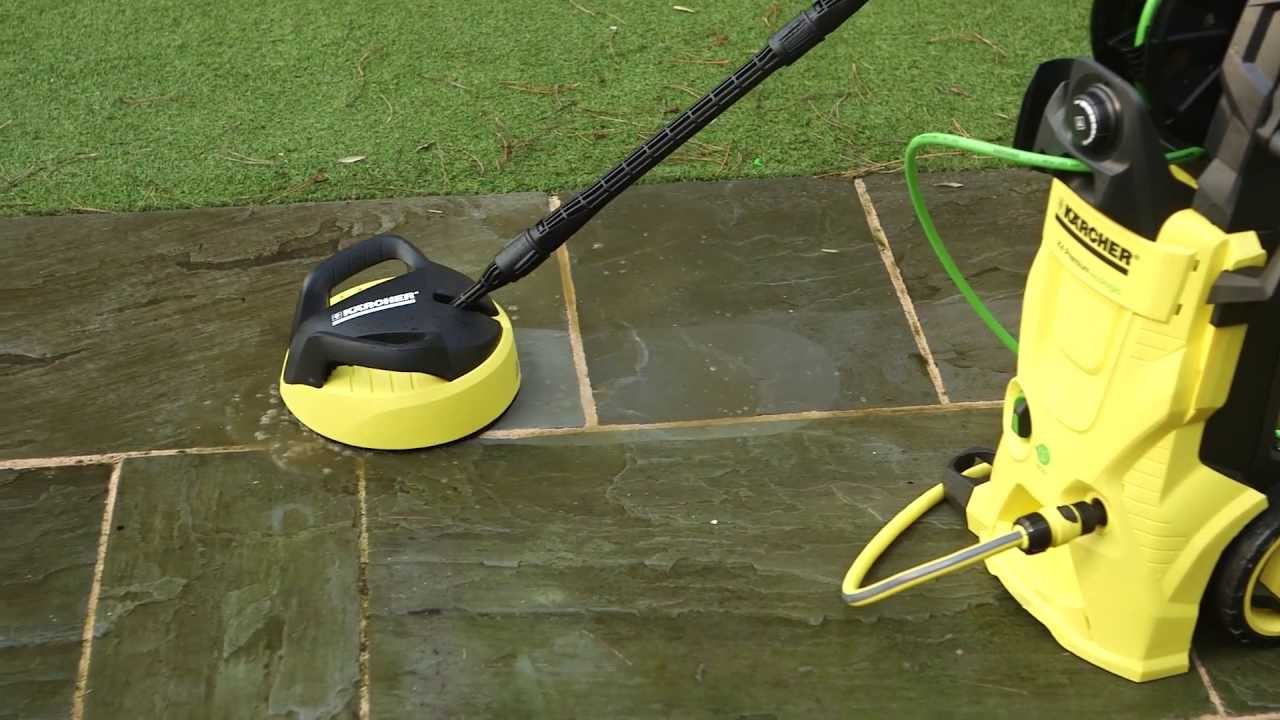
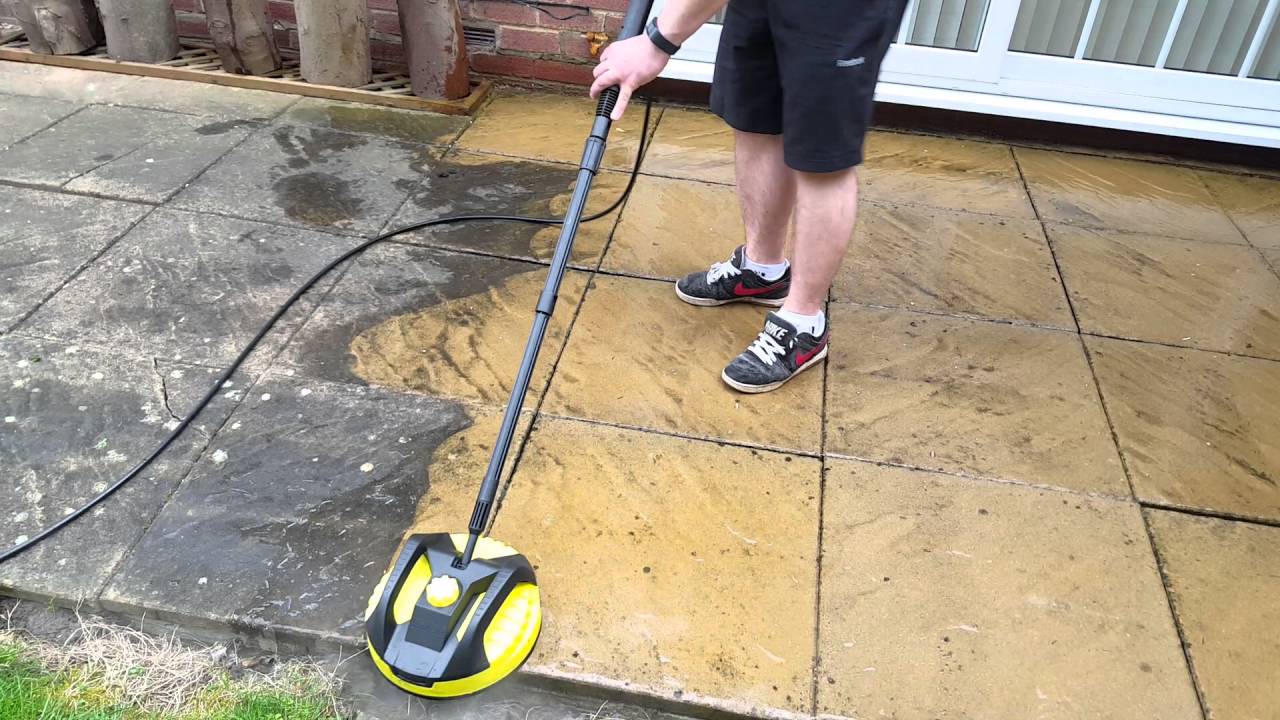
Begin by removing all loose debris, such as leaves, twigs, and larger pieces of dirt, using a broom or leaf blower. Then, use a stiff brush to scrub away any stubborn dirt or grime that remains. Pre-treating heavily stained areas with a suitable cleaning agent can enhance the effectiveness of the pressure-washing process.
Methods for Removing Loose Debris
A leaf blower is efficient for removing larger debris quickly. For smaller pieces of dirt or grime, a stiff-bristled brush is ideal. Consider using a shop vacuum to remove any loose material from cracks or crevices.
Pre-Pressure Washing Checklist
- Remove all loose debris (leaves, twigs, etc.)
- Sweep or brush the patio surface thoroughly
- Pre-treat stubborn stains with appropriate cleaning agents
- Inspect pavers for loose or damaged pieces
- Protect surrounding areas (plants, etc.)
- Ensure adequate water supply.
Pressure Washing Process
The pressure washing process itself requires careful technique to avoid damaging the pavers. This section details the correct procedure and highlights common mistakes to avoid.
Step-by-Step Pressure Washing Procedure
- Start with a low-pressure setting and a wider nozzle.
- Work in sections, using overlapping strokes to ensure even coverage.
- Maintain a consistent distance from the pavers (12-18 inches).
- Rinse frequently to remove loosened dirt and debris.
- Gradually increase pressure if necessary, but avoid using excessive force.
- Inspect the cleaned area for any missed spots or remaining stains.
Proper Technique for Moving the Pressure Washer
Maintain a slow, steady pace, and avoid lingering in one area for too long. Overlap each pass slightly to prevent streaks and ensure complete cleaning. Use a smooth, even motion to avoid uneven cleaning or damage to the pavers.
Common Mistakes to Avoid
- Using too high a pressure setting
- Holding the nozzle too close to the pavers
- Using a pencil jet nozzle
- Not rinsing thoroughly after cleaning
- Failing to protect surrounding areas
Post-Cleaning Care
Source: southingtonpowerwashers.com
Proper post-cleaning care helps maintain the cleanliness and longevity of your patio pavers. This section details essential steps for preserving their appearance and extending their lifespan.
Importance of Thorough Rinsing
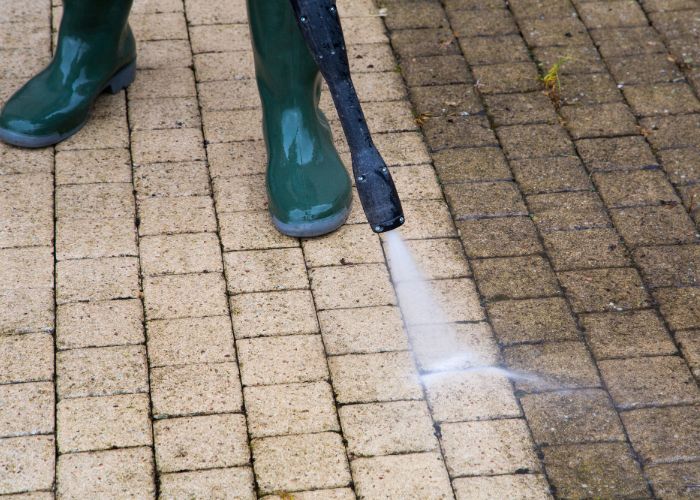
Thorough rinsing is crucial to remove all traces of cleaning agents and loosened dirt. Residual cleaning solutions can leave unsightly marks or damage the pavers over time. Ensure all surfaces are completely rinsed, including crevices and grout lines.
Sealing and Protecting Pavers
Sealing porous pavers helps protect them from future stains and weathering. A sealant creates a barrier that prevents dirt and moisture from penetrating the pavers, making future cleaning easier. Choose a sealant specifically designed for your paver material.
Maintaining Clean Pavers
Source: blueflamingosoftwash.com
Regular sweeping or brushing helps prevent dirt and debris from accumulating. Consider using a garden hose to rinse the pavers periodically, especially after heavy rain or significant soiling. Avoid using harsh chemicals unless necessary.
Dealing with Stubborn Stains: Pressure Washing Patio Pavers
Some stains require more aggressive cleaning methods. This section explores effective techniques for removing stubborn stains from patio pavers.
Common Patio Paver Stains
Source: ytimg.com
Common stains include mold, mildew, oil, rust, and various organic matter. The effectiveness of stain removal depends on the type of stain, the paver material, and the age of the stain.
Effective Stain Removal Methods
For mold and mildew, a bleach solution (diluted according to manufacturer instructions) can be effective. Oil stains often require a degreaser, followed by pressure washing. Rust stains may require specialized rust removers. Always test any cleaning agent on a small, inconspicuous area first.
| Stain Type | Removal Method | Suitable Paver Material | Effectiveness |
|---|---|---|---|
| Mold/Mildew | Diluted Bleach Solution | Most Pavers (test first) | High (for mold/mildew) |
| Oil | Degreaser + Pressure Washing | Most Pavers (test first) | Moderate to High (depending on age and type of oil) |
| Rust | Rust Remover | Most Pavers (test first) | Variable (depending on the severity and paver material) |
| Organic Matter | Pressure Washing + Stiff Brush | Most Pavers | Moderate to High |
Safety Precautions
Pressure washing can be hazardous if not performed correctly. This section Articulates essential safety precautions to ensure a safe cleaning process.
Necessary Safety Precautions
Always wear appropriate personal protective equipment (PPE), including safety glasses, gloves, and closed-toe shoes. Be aware of your surroundings and avoid directing the pressure washer towards yourself or others. Never point the nozzle at yourself or anyone else. Ensure the area is well-ventilated if using chemical cleaning agents.
Personal Protective Equipment (PPE)
Source: jsbrickcorporation.com
Safety glasses protect your eyes from debris and chemicals. Gloves protect your hands from chemicals and abrasions. Closed-toe shoes protect your feet. Consider using ear protection if using a noisy pressure washer.
Protecting Surrounding Areas
Protect nearby plants and landscaping by covering them with tarps or moving them out of the way. Be mindful of the direction of the spray to avoid damaging surrounding structures or property. If washing near a house, protect the siding with a tarp or cover.
Illustrative Examples
Real-world examples highlight the importance of proper techniques and the consequences of mistakes.
Pressure Washing Job Gone Wrong
Source: madbackyard.com
Imagine a homeowner using a high-pressure nozzle too close to aged brick pavers. The force of the water chipped and cracked many of the bricks, leaving unsightly damage and requiring costly repairs. The uneven pressure also eroded the mortar between the bricks, causing further instability. The resulting visual impact was a significantly damaged patio, with uneven surfaces and loose bricks. The patio looked far worse after the pressure washing than before.
Successful Pressure Washing Job
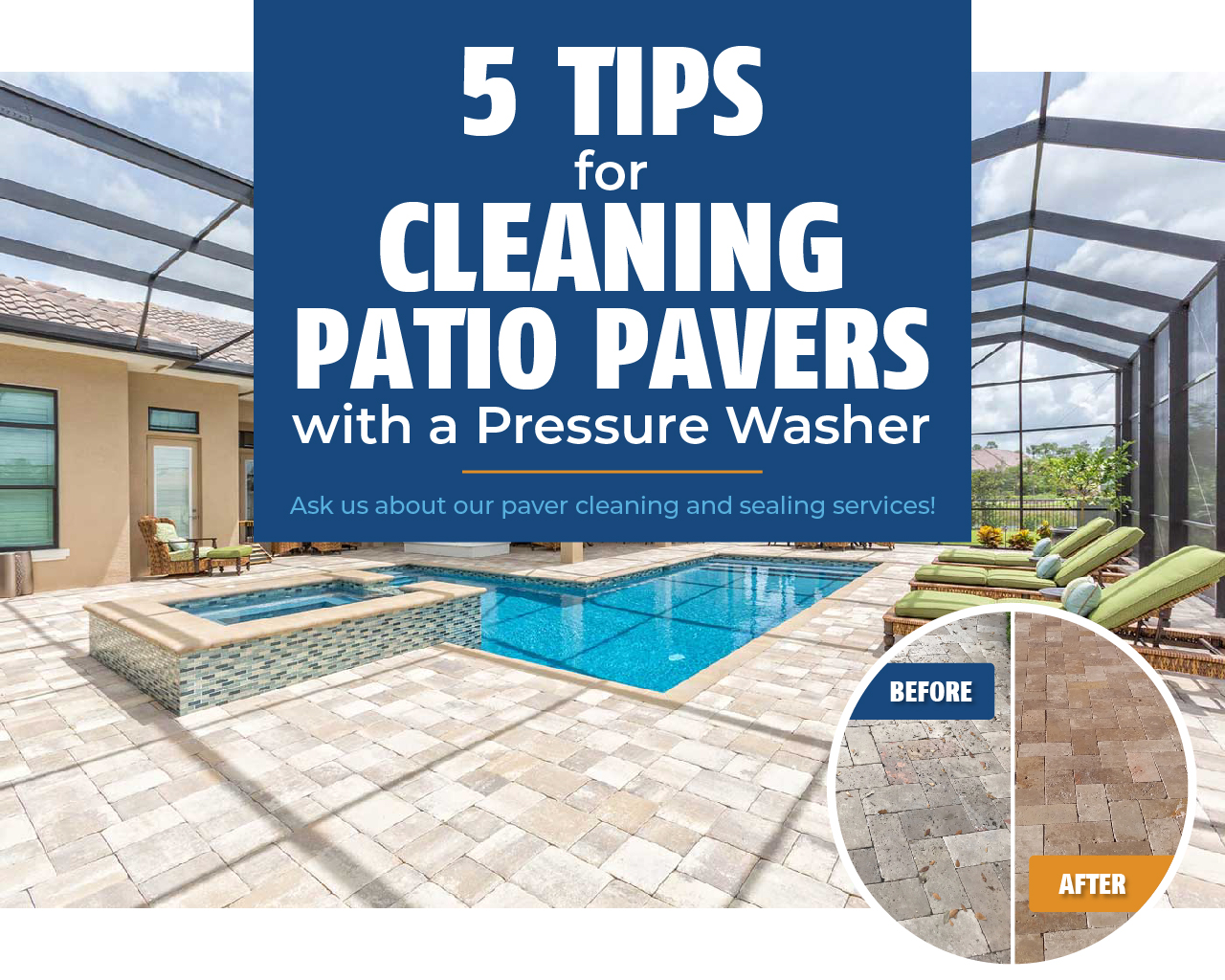
In contrast, consider a professional cleaning of a concrete patio. They used a lower-pressure setting with a wide nozzle, maintaining a consistent distance. They pre-treated stubborn stains with a suitable cleaner and thoroughly rinsed the area afterward. The result was a dramatically improved patio. Before cleaning, the patio was covered in grime and algae, appearing dull and dirty. Afterward, the pavers were bright, clean, and restored to their original color, significantly enhancing the patio’s aesthetic appeal.
FAQ Overview
Can I pressure wash all types of patio pavers?
No. Porous pavers are more susceptible to damage and require lower pressure settings and potentially different cleaning agents. Always check the manufacturer’s recommendations for your specific paver type.
How often should I pressure wash my patio pavers?
The frequency depends on factors like climate, foot traffic, and the type of pavers. Generally, once or twice a year is sufficient for most patios, but more frequent cleaning might be necessary in high-traffic areas or regions with heavy rainfall.
What should I do if I accidentally damage my pavers during pressure washing?
If damage occurs, contact a professional paver repair service immediately. Attempting DIY repairs could worsen the problem. Minor scratches may be less noticeable after resealing.
Are there any environmentally friendly pressure washing solutions?
Yes, many eco-friendly cleaning solutions are available that are effective yet gentler on the environment. Look for biodegradable and phosphate-free options.
What type of pressure washer is best for patio pavers?
Electric pressure washers are generally suitable for most patios, offering a good balance of power and ease of use. For larger patios or heavily soiled areas, a gas-powered pressure washer might be more efficient.
Comments are closed.