Pressure Wash Brick Pavers
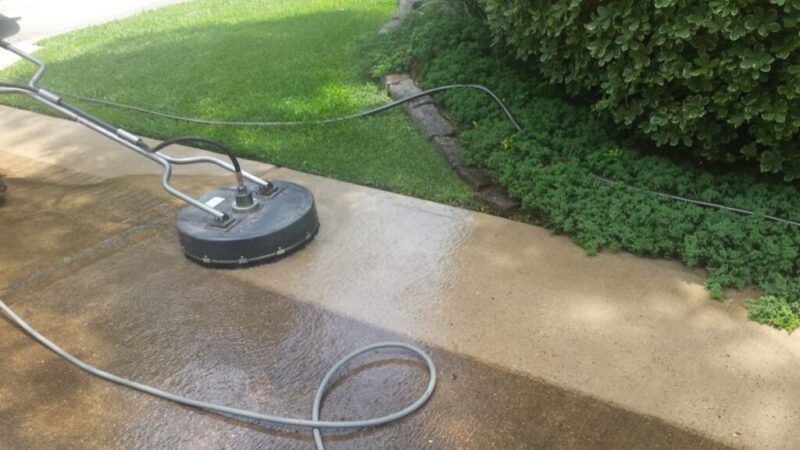
Pressure wash brick pavers: Restoring the beauty of your paved areas requires careful consideration. This guide delves into the art and science of effectively cleaning brick pavers using pressure washing techniques, encompassing everything from understanding the materials to ensuring safety and achieving professional results. We’ll explore the various types of equipment, cleaning solutions, and techniques to help you revitalize your brick surfaces, leaving them looking their best.
From selecting the right pressure washer and nozzle to understanding the importance of pre-and post-cleaning procedures, we’ll cover all aspects of the process. We will also address common challenges, such as stubborn stains and efflorescence, and provide practical solutions to overcome them. By the end, you’ll have the knowledge and confidence to tackle this project with ease and achieve outstanding results.
Understanding Brick Paver Materials and Composition
Source: jsbrickcorporation.com
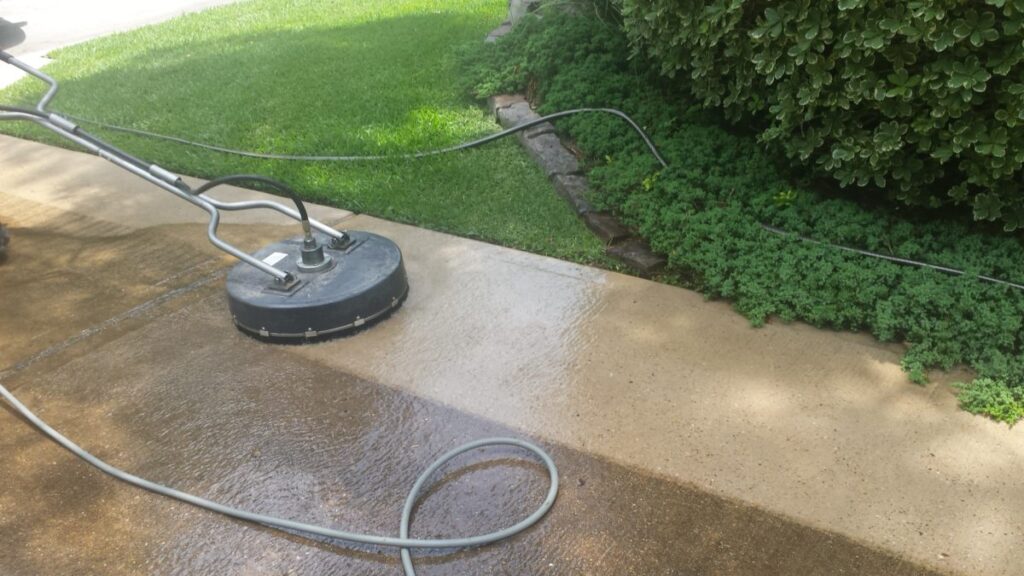
Brick pavers, while seemingly uniform, exhibit significant variations in material composition and porosity, directly influencing their response to pressure washing. Understanding these differences is crucial for effective and safe cleaning.
Brick Paver Types and Porosity
Brick pavers are manufactured from various materials, each affecting their porosity (the amount of space between particles). Common types include clay bricks, concrete pavers, and permeable pavers. Clay bricks, traditionally fired at high temperatures, generally have lower porosity than concrete pavers, which are often more porous due to their manufacturing process. Permeable pavers, designed for water drainage, possess the highest porosity. This porosity impacts how easily dirt and stains penetrate the pavers, and consequently, how effectively they can be cleaned with pressure washing.
Material Reactions to Pressure Washing
The reaction of different brick paver materials to pressure washing varies considerably. Highly porous concrete pavers might require lower pressure to avoid damage, while denser clay bricks can withstand higher pressure. The cleaning solution used also interacts differently with each material. For example, acidic cleaners may etch concrete pavers more readily than clay bricks.
Potential for Damage Based on Age and Condition
The age and condition of brick pavers are critical factors determining the suitability of pressure washing. Older, weathered pavers may be more susceptible to damage from high-pressure water, especially if the mortar between the pavers deteriorates. Cracked or damaged pavers are particularly vulnerable and may require gentler cleaning methods or repair before pressure washing.
Pressure Washing Equipment and Techniques
Choosing the right pressure washer and employing proper techniques are paramount to achieving effective cleaning without damaging the brick pavers. The selection of equipment and techniques should be tailored to the specific type and condition of the pavers.
Pressure Washer Types
Electric pressure washers are suitable for smaller areas and offer ease of use and lower noise levels. Gas-powered pressure washers provide greater power and are better suited for larger areas or heavily soiled pavers. The choice depends on the size of the area to be cleaned and the level of soiling.
Area Preparation
Before pressure washing, thoroughly sweep or blow away loose debris such as leaves, twigs, and loose dirt. This prevents these materials from being forced into the paver joints or causing damage to the pressure washer. Protect nearby plants and landscaping with plastic sheeting or drop cloths.
Nozzle Selection and Pressure Adjustment
Selecting the appropriate nozzle and adjusting the pressure is crucial for effective and safe cleaning. A wider nozzle at lower pressure is generally preferred for initial cleaning and to prevent damage. A more focused nozzle can be used for spot-cleaning stubborn stains, but always test in an inconspicuous area first.
Nozzle Comparison Table
| Nozzle Type | Pressure (PSI) | Use on Brick Pavers | Notes |
|---|---|---|---|
| Fan Nozzle (0°) | 1500-2500 | Initial cleaning, wide areas | Provides a wide cleaning pattern |
| 25° Nozzle | 2000-3000 | General cleaning, light staining | Good balance between cleaning power and safety |
| 15° Nozzle | 2500-3500 | Stubborn stains, spot cleaning | Use cautiously, can damage pavers if used incorrectly |
| Pencil Jet Nozzle | 3000+ | Targeted cleaning of grout lines | Use with extreme caution to avoid damage |
Cleaning Solutions and Detergents: Pressure Wash Brick Pavers
Source: gharpedia.com
Choosing the right cleaning solution is vital for effective stain removal without harming the pavers or the environment. The type of stain dictates the appropriate cleaning agent. Always test any cleaning solution in an inconspicuous area before applying it to the entire surface.
Effectiveness of Cleaning Solutions
Different stains require different approaches. Oil stains may respond well to degreasers, while mildew stains might require bleach solutions (used cautiously and following manufacturer instructions). Efflorescence (salt deposits) often requires specialized cleaners designed to remove mineral deposits.
Environmental Impact
Biodegradable cleaning solutions are environmentally preferable to their non-biodegradable counterparts. They break down naturally, minimizing the impact on water systems and surrounding ecosystems. Check product labels for certifications and environmental claims.
Biodegradable vs. Non-Biodegradable
Biodegradable cleaners use naturally derived ingredients that decompose quickly. Non-biodegradable cleaners often contain harsh chemicals that persist in the environment, potentially harming aquatic life and soil. Prioritize biodegradable options whenever possible.
Safe and Effective Cleaning Solutions
- A mild detergent and water solution
- Biodegradable concrete cleaner (for concrete pavers)
- Specialized efflorescence remover (for salt deposits)
- Oxygen bleach (for mildew stains – use cautiously)
Pre- and Post-Cleaning Procedures
Source: pavingplatform.com
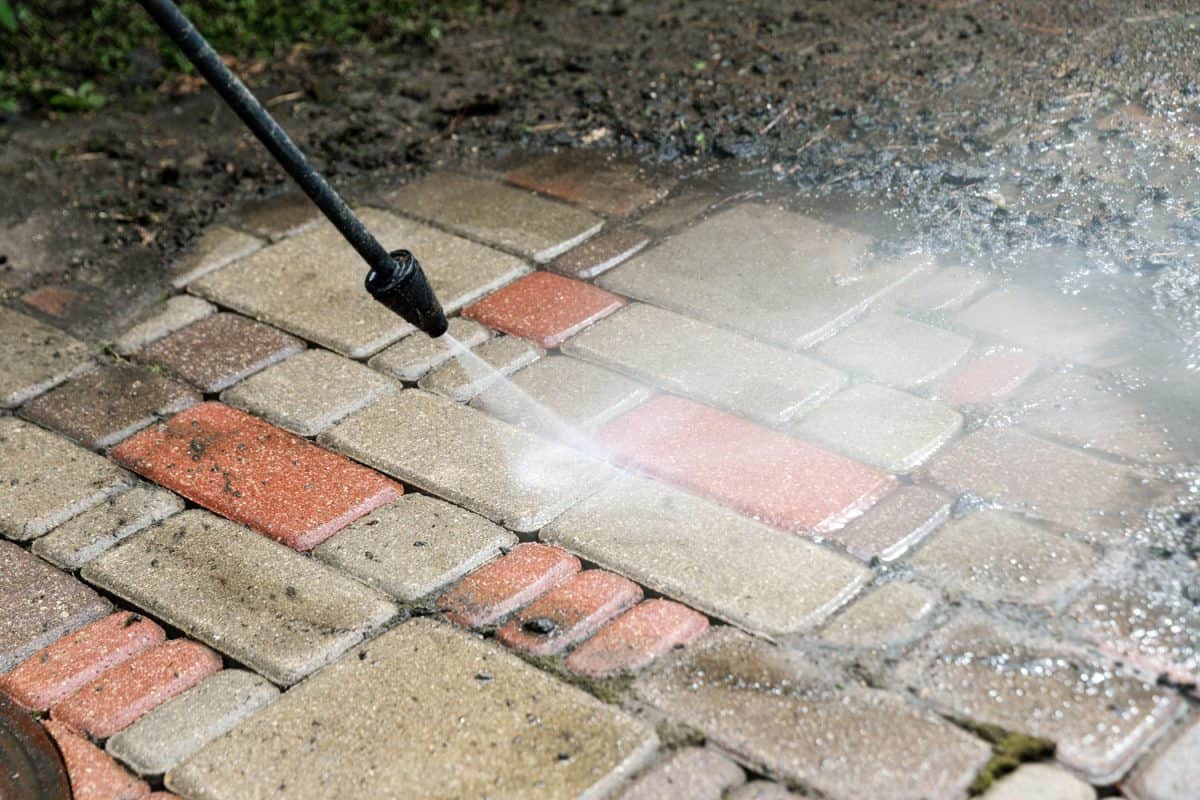
Proper pre- and post-cleaning procedures ensure optimal results and protect the brick pavers from damage. A thorough inspection before cleaning identifies potential issues and guides the cleaning process. Careful rinsing and drying prevent staining and damage.
Pre-Cleaning Inspections
Before beginning, inspect the pavers for loose or damaged bricks, deteriorated mortar, and any existing damage. Note the location and extent of any stains. This assessment helps to tailor the cleaning process and prevent further damage.
Rinsing and Drying
After cleaning, thoroughly rinse the pavers with clean water to remove all traces of the cleaning solution. Allow the pavers to air dry completely before applying any sealant. Standing water can lead to staining or damage.
Sealing Brick Pavers, Pressure wash brick pavers
Sealing brick pavers after cleaning helps to protect them from future staining and damage. A sealant creates a barrier against moisture and dirt, making future cleaning easier and extending the lifespan of the pavers. Choose a sealant appropriate for the type of brick pavers.
Troubleshooting Common Issues
Source: ytimg.com
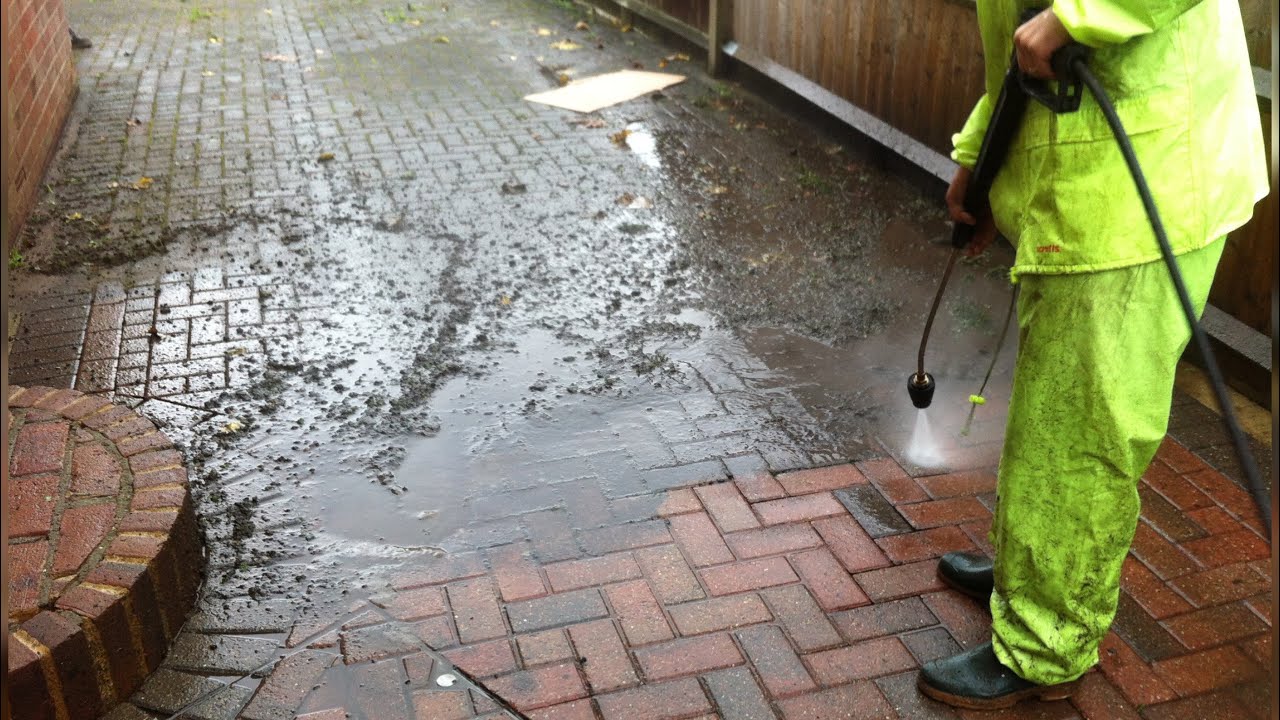
Despite careful planning, problems can arise during pressure washing. Knowing how to address these issues effectively minimizes damage and ensures a successful cleaning project. A systematic approach helps in identifying and resolving common problems.
Common Problems and Solutions
Common issues include damage to pavers (caused by excessive pressure or improper nozzle use), stubborn stains (requiring more aggressive cleaning methods or specialized solutions), and efflorescence (salt deposits that need specialized treatment).
Troubleshooting Flowchart
A flowchart outlining troubleshooting steps could visually represent the decision-making process. For example, if a stain persists after initial cleaning, the flowchart would guide the user to try a different cleaning solution or a more focused nozzle. If damage occurs, it would be recommended to stop and assess the situation before continuing.
Safety Precautions
Source: angi.com
Pressure washing involves risks, and safety precautions are paramount to prevent injury or damage. Protective gear and careful handling of equipment are crucial for a safe cleaning experience.
Necessary Safety Precautions
Source: gharpedia.com
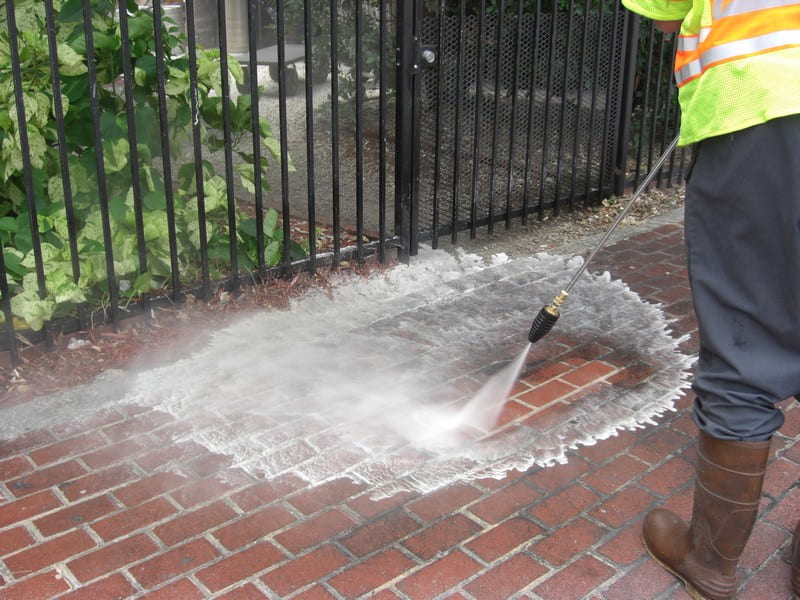
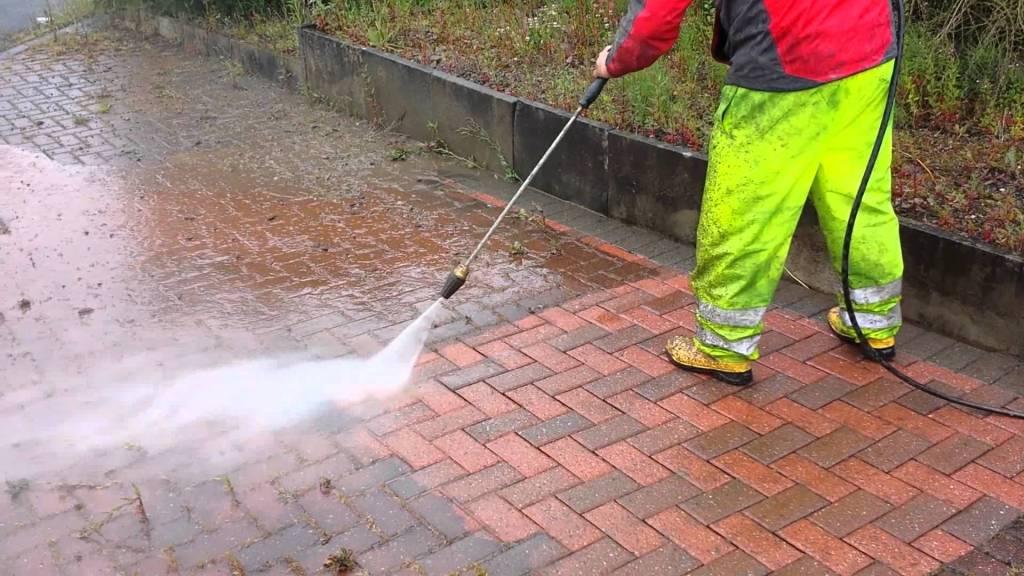
Wear safety glasses or goggles to protect your eyes from debris and high-pressure water. Wear protective clothing, including long sleeves and pants, to shield your skin. Use gloves to protect your hands from chemicals and abrasive materials. Never point the pressure washer at yourself or others. Keep children and pets away from the work area.
Risks Associated with High-Pressure Water
High-pressure water can cause serious injury, including cuts and abrasions. It can also damage the pavers if used incorrectly. Always use caution and follow the manufacturer’s instructions for your pressure washer.
Safety Guidelines
- Inspect equipment before use.
- Wear appropriate safety gear.
- Maintain a safe distance from the pressure washer nozzle.
- Never point the nozzle at yourself or others.
- Use caution around electrical outlets and water sources.
- Clean up spills immediately.
Illustrative Examples
Real-world examples illustrate the impact of proper and improper pressure washing techniques. These scenarios highlight the importance of following best practices and understanding the nuances of different brick paver types.
Example of Improper Pressure Washing
Imagine a homeowner using a high-pressure nozzle on old, fragile concrete pavers. The high pressure damages the pavers, causing cracking and chipping. The cleaning solution used was also too harsh, further etching the surface. The result is irreparable damage and the need for costly replacements.
Example of Successful Pressure Washing
In contrast, a professional contractor assesses the condition of clay brick pavers before starting. They choose a lower-pressure setting and a wide fan nozzle for initial cleaning. They use a biodegradable cleaner for general cleaning and a specialized solution for stubborn stains. They thoroughly rinse and allow the pavers to dry completely before sealing them with a suitable sealant. The result is a clean, undamaged surface that looks refreshed and is protected from future damage.
Before and After Comparison
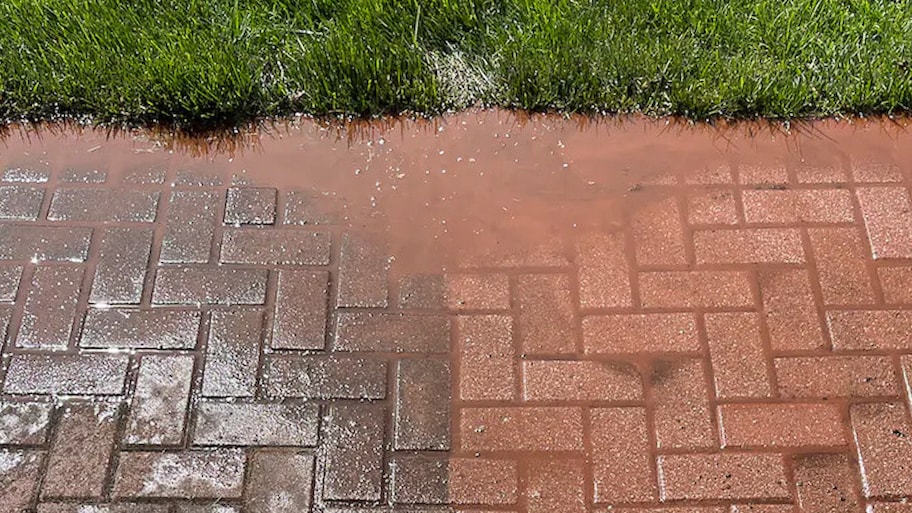
Before pressure washing, the pavers were covered in a layer of dirt, grime, and mildew, appearing dull and discolored. After pressure washing, the pavers were restored to their original color and texture. The joints were clean, and the overall appearance was significantly improved. The difference was dramatic, highlighting the transformative power of proper pressure-washing techniques.
FAQs
Can I pressure wash brick pavers in any weather?
No. Avoid pressure washing brick pavers in extreme heat or freezing temperatures. Ideal conditions are mild temperatures and dry weather.
How often should I pressure wash my brick pavers?
The frequency depends on factors like foot traffic and environmental conditions. Once or twice a year is generally sufficient for most homeowners.
What if I accidentally damage my pavers during pressure washing?
Start by assessing the damage. Minor chips can be repaired with specialized fillers. For significant damage, professional repair or replacement may be necessary.
Are there any long-term effects of pressure washing on brick pavers?
Proper pressure washing, using appropriate techniques and solutions, shouldn’t cause long-term damage. However, neglecting sealing after cleaning can lead to future issues.
What type of sealant is best for brick pavers after pressure washing?
Consult a professional or your paver supplier for recommendations on suitable sealants based on your paver type and climate.
Comments are closed.